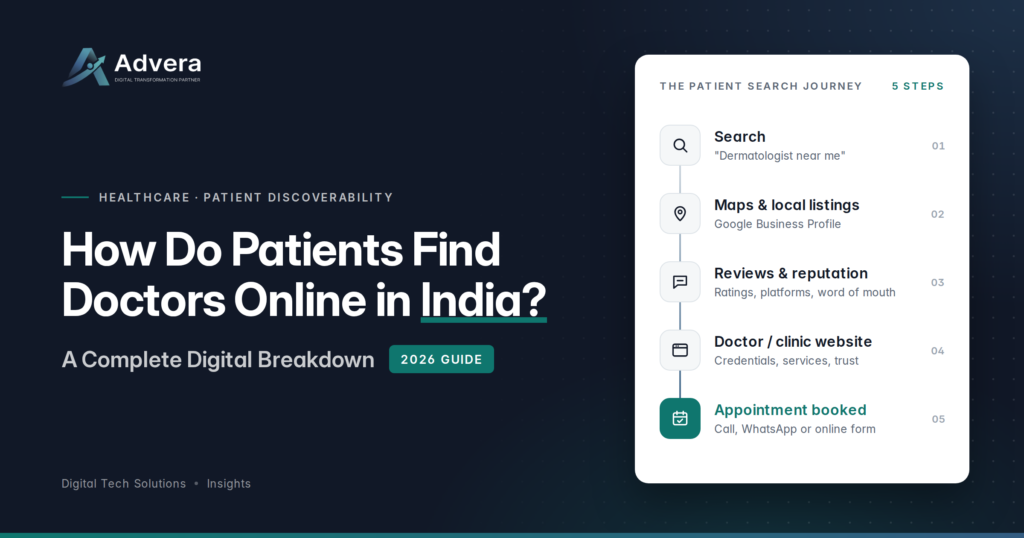
Before the Internet, a patient's healthcare journey began at the physician's office. Now, it starts with an online search for health information. Patients first search to understand their symptoms, compare specialists, and read reviews about doctors and hospitals.
Effective digital marketing for hospitals makes the connection between patients and providers at every point in their online search, up to the point of scheduling a doctor visit.
When healthcare providers understand this journey, they are in a better position to earn patients' trust and make their services easier to find online.
1. Online Search Initiates the Patient Journey
When a health concern comes up, many people use search engines to find a specialist in their area. Often they search for the medical services and treatments a hospital offers, and which treatment options are available to them.
Common searches look like this:
- best cardiologist near me
- top hospital for knee replacement
- child specialist in Kerala
Patients first want information, not an immediate appointment.
2. Search Engines Help Patients Find Care Nearby
Search engines allow patients to find physicians in their local area or near where they work. Patients often type queries including ‘best [physician type]’ in a specific location. For example, “best gynecologist in Kerala” or “dentist near me.”
Searches like these show that patients want care close to where they live or work.
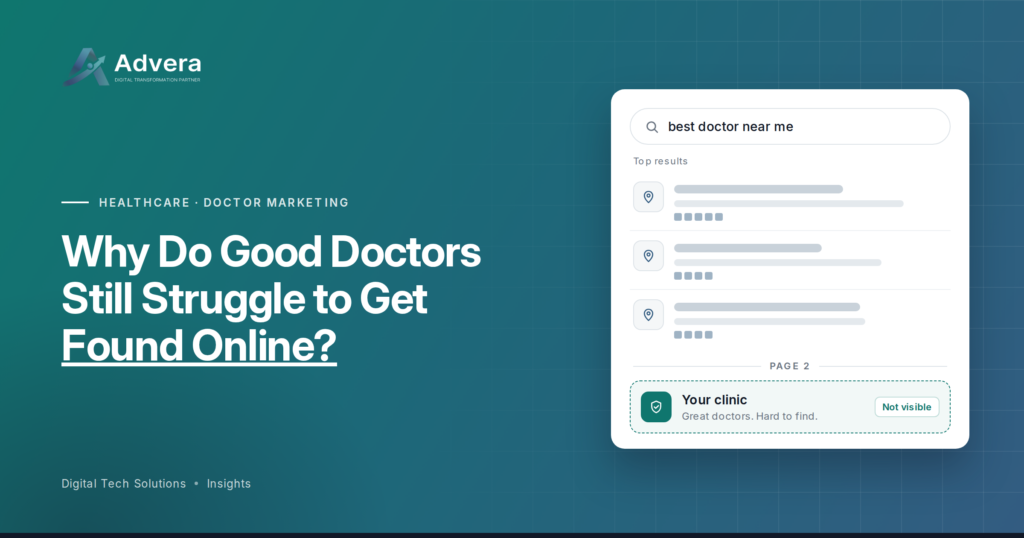
To get a better ranking in Google local search results, healthcare businesses should manage their Google Business Profiles and make sure all information like service descriptions and contact information is accurate and easy to find. It is also beneficial to have location-specific service pages, as long as those pages contain original and informative content.
This is especially helpful for local hospitals and clinics that depend on patients from their surrounding communities.
3. Patients Compare Their Healthcare Options
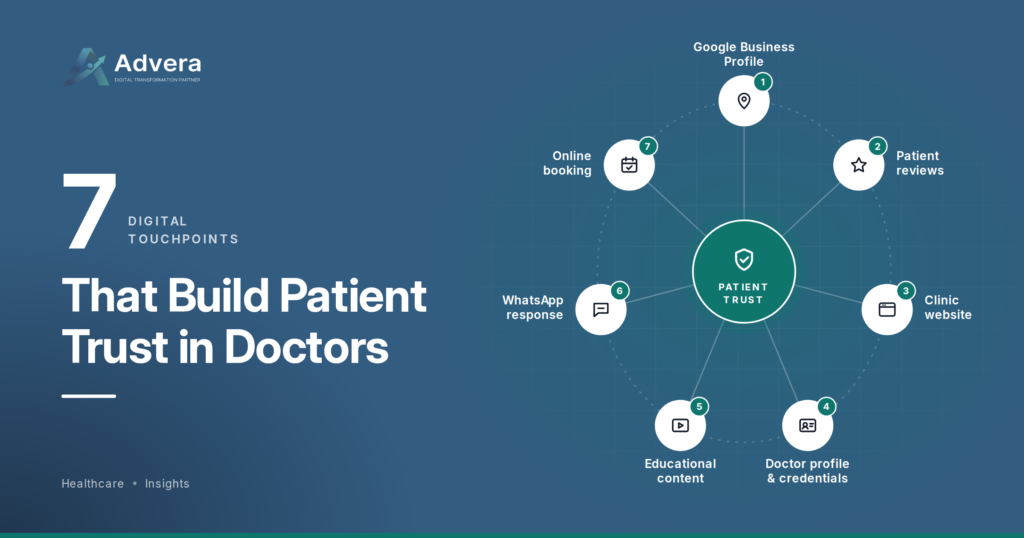
There is a big difference between finding a hospital and choosing one. Before choosing, patients look at the hospital's website, its doctors, and what other patients say. All of this helps them make an informed choice about the doctor.
A hospital/clinic website should contain the following pages and elements:
- Current doctor profiles and certifications
- Dedicated pages for each hospital service and department
- Correct hospital details and operating hours
- A clearly defined appointment scheduling process
- Informational resources to help patients and their families better understand medical care
A well-planned website helps patients find the information they need easily and in fewer clicks.
Doctors also benefit when their online profiles clearly show their area of specialization.
4. Online Reviews Gain Patients' Trust
Online reviews impact patients’ choices of doctors. Before deciding on a clinic or hospital, patients look at the ratings as well as what the reviews actually say.
People check reviews for things like ease of booking appointments and the friendliness of staff. Some even look for comments on the general atmosphere. Healthcare providers can improve their online image with well-built profiles, by encouraging honest feedback, and by replying to reviews in a professional way.
5. Patients Learn About Services Through Social Media
Social media is used to educate patients about health services. Doctors can post articles, videos, or even tips related to medical issues and health. This helps patients better understand different procedures and medical issues, and even helps them get to know doctors better.
A dermatologist may post short videos on Instagram or YouTube explaining common acne triggers, while a hospital may use its page to show its advanced diagnostic equipment.
6. An Effortless Booking Process
Finding the right doctor is important, but if booking takes too much effort, patients may not book at all. If the site takes too long to load, is confusing, has unclear directions, or is missing the needed contact information, then visitors will stop looking and move on.
Healthcare websites can increase their conversions with:
- Easily accessible appointment buttons
- A click-to-call feature
- Easy-to-complete contact forms
- Addresses and opening hours that are accurate
- A website that is easy to navigate and view on mobile devices
- Appointment confirmations that are simple and clear
For getting the best booking results, digital marketing for hospitals needs to go beyond getting traffic to a hospital's website. It needs to provide a clear path and calls to action for visitors.
Hospitals need to track where appointment requests come from and make sure patient enquiries are responded to promptly. With this data, the hospital will know which parts of the digital strategy need adjustment and where most of its patients are coming from.
7. Post-Appointment Communication Keeps Patients Engaged
Reminding a patient of their appointment, giving instructions to prepare for it, and following up to ask for feedback all improve the patient's experience beyond booking.
Hospitals can use emails to provide patients with preventive health information and news, while being mindful of a patient’s consent and any privacy concerns and requirements.
Hospitals can also look at patient feedback on bookings and enquiries to decide what changes will better serve their patients.
FAQs
1. How do people find a doctor online?
When searching for a doctor, patients rely on search engines like Google, Google Maps, hospital websites, online reviews, and social media.
2. How can hospitals get more online appointments?
Hospitals can get more online appointments by making their website easy to use, improving their visibility in local search, and adding doctor profiles that patients can book from directly.
3. How can a doctor improve their online presence?
Doctors can build a complete online profile, keep their Google Business Profile up to date, and share useful and accurate health content to help them gain recognition.
4. What makes a hospital website successful?
A successful hospital website makes services and doctor profiles easy to find. It works well on mobile, offers simple scheduling, and gives patients a clear path from their first visit to booking.
Conclusion
Turning online searches into booked appointments takes a planned effort. Every stage of a patient’s journey matters: when they search for healthcare, compare providers, read reviews, book an appointment, and hear from the hospital afterwards. Offering convenient and easy-to-use online solutions will improve the patient's search experience, help them make better-informed decisions, and increase the chance of them choosing your services.
At Advera Tech Solutions, we provide digital services for healthcare organizations, including website optimization and digital content strategies for hospitals. Through patient-centered digital marketing for hospitals, we improve hospital online presence, strengthen patient engagement, and help increase patient enquiries. Talk to our team to help your potential patients find your healthcare services.